
The modern workplace in 2026—hybrid meetings, AI-driven deadlines, constant notifications, and economic pressures—can feel like a pressure cooker. Tight deadlines, difficult colleagues, unfair feedback, or feeling undervalued can trigger anger that affects your performance, relationships, and well-being. Unmanaged workplace anger leads to burnout, higher turnover, and even health issues like elevated stress hormones.
At Angry Minds, many of our online course participants cite work as their primary anger trigger. The silver lining? With the right tools, you can transform frustration into focus and maintain professionalism under pressure.



Here are five practical, evidence-based strategies to handle anger at work effectively.
1. Pause and Breathe Before Responding
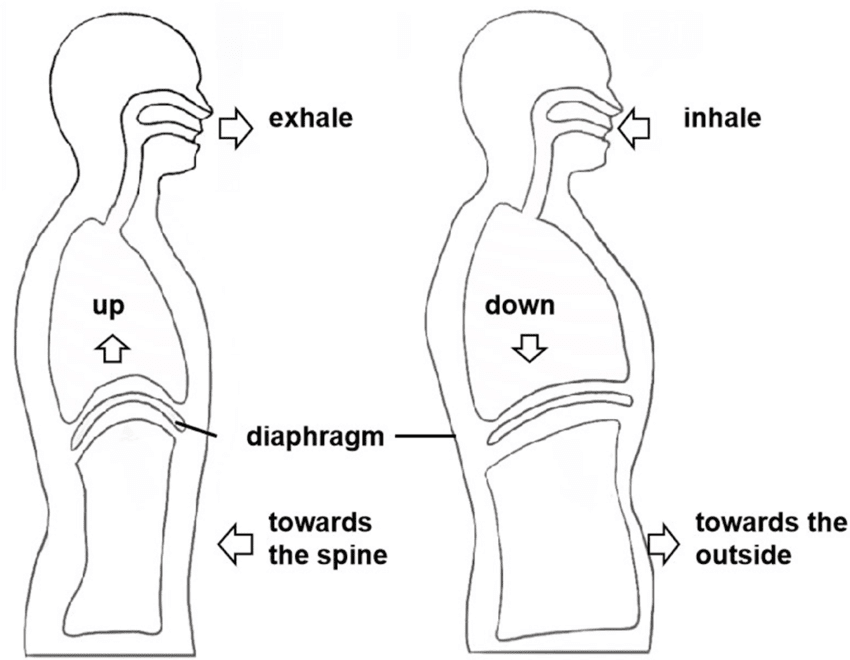
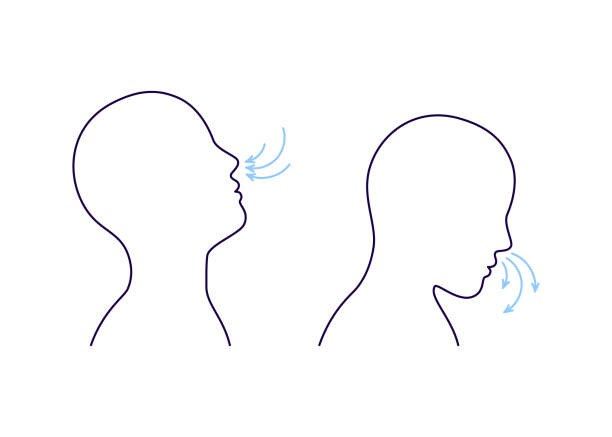
When anger surges—perhaps during a heated email or meeting—hit the pause button. Use quick deep breathing to reset: Try diaphragmatic breathing by placing one hand on your belly, inhaling deeply so it rises, then exhaling slowly. This lowers cortisol and gives you time to respond thoughtfully instead of reactively.
2. Identify and Challenge Angry Thoughts
Workplace anger often stems from thoughts like “This is unfair” or “They don’t respect me.” Use cognitive reframing: Ask, “What’s the evidence for this? Is there another perspective?” For instance, a delayed response might mean your colleague is overwhelmed, not dismissive. This CBT technique, central to our programs, helps reduce emotional intensity.
3. Set Boundaries and Communicate Assertively
Prevent buildup by expressing needs clearly. Instead of snapping, use “I” statements: “I feel overwhelmed when tasks are added last-minute; can we prioritize?” This fosters respect without aggression. Practice in low-stakes scenarios to build confidence.
4. Incorporate Daily De-Stressors
Build resilience with habits like short walks during breaks (nature boosts mood significantly), mindfulness sessions via apps, or desk stretches. Create a serene workspace corner with plants or calming visuals to signal your brain it’s time to relax.




5. Seek Support When Needed
If anger persistently impacts your work or spills into personal life, professional tools help. Our court-approved online anger management classes offer flexible modules, a free personality assessment for tailored insights, and immediate certificates.
A calmer you means better decisions, stronger teams, and greater career satisfaction. Start small today—your future self will thank you.


Ready for a more peaceful workday? Visit AngryMinds.com to explore programs or take our quick assessment.
Tame the rage, embrace the calm.